
What is the NDIS?
The NDIS provides funding to eligible Australians with disability and connects people with disability to supports in their local community. This article explains what the NDIS is, who it’s for, what it means to become an NDIS participant, and what support may still be available if someone is ineligible for NDIS supports.

What is the NDIS Responsible For?
The NDIS funds specific disability-related supports called NDIS supports. This article explains what the NDIS is responsible for, what NDIS supports are intended to help with, what participants can and cannot use funding for, and why the NDIS doesn’t replace mainstream, community, or everyday living supports.

Mainstream & Community Supports
Many supports people rely on are provided outside the NDIS through mainstream government services and community organisations. Because of this, the NDIS can’t fund supports that are the responsibility of another system. This guide explains how the boundary between supports works, why it matters for planning, and how participants can be supported to connect with the right services.

Setting Goals for Your NDIS Plan
Goals are a required part of NDIS planning because they describe what a participant wants to work towards in their life. However, goals are not a direct shortcut to funding. This guide explains how goals are recorded, and how participants can prepare goals that are clear, personal, and useful in planning conversations.

Work & Study on the NDIS
The NDIS may fund some supports for work and study when they are disability-related, meet the NDIS funding criteria, and are not the responsibility of mainstream systems like schools, universities, or employers. This article explains what that means in practice, including common inclusions (and exclusions), how to build goals into a plan, and what to do if needs change.

Understanding Reasonable & Necessary Supports
All funded NDIS supports must meet the “reasonable and necessary” criteria and must be an “NDIS support” under updated laws. This article explains what each criterion means in practice, why some supports aren’t funded even when recommended, how the NDIA considers mainstream and informal supports, and what options exist if a participant disagrees with a funding decision.

Principles the NDIA Follows Creating Plans
NDIS plans are built using legislated rules and a set of planning principles intended to support fairness, consistency, and financial sustainability. This article explains what those principles are, how the NDIA applies “reasonable and necessary” criteria, and what supports can and can’t be funded.
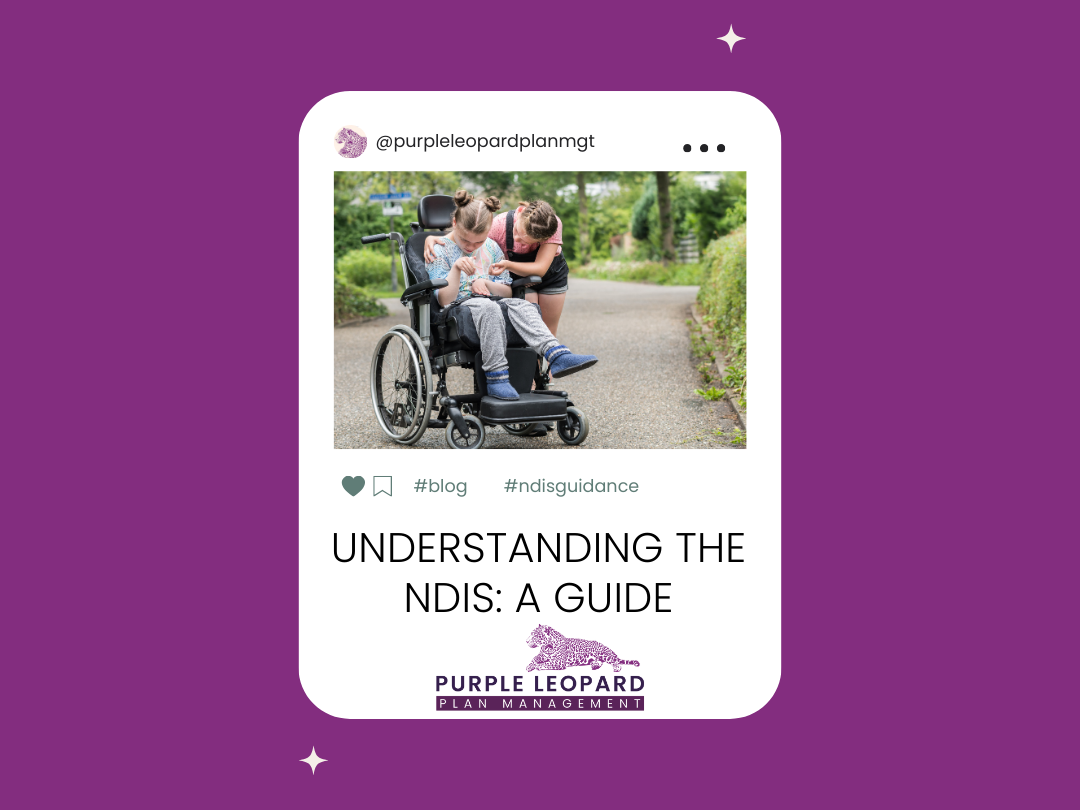
Understanding the NDIS: A Guide
The NDIS can feel like a new language at first: plans, partners, “reasonable and necessary,” and a lot of moving parts. This guide breaks the scheme down including what it is, who it’s for, what it funds, and who you’ll likely interact with along the way.